Click to Cure & Bedside to Website; Doctors who use Tech will take your Patients
Why Digital Health is the Next Big Revolution After E-Commerce and Internet Banking
Dr. Rajendra Pratap Gupta
July 26, 20253 min read
Why Digital Health is the Next Big Revolution After E-Commerce and Internet Banking
Over the past two decades, e-commerce and internet banking have transformed the way we live. Consumers shifted online not just for convenience—but because digital platforms offered efficiency, personalization, and transparency. Retailers and banks that didn't adapt became irrelevant.
Now, the same revolution is hitting healthcare. This time, it's Digital Health—and it's moving faster than most clinicians or healthcare institutions can imagine. This year may be the last period for you to catchup.
Governments are building national digital health infrastructures, investing in technology. The public sector is setting the pace. Patients are already choosing smarter ways to engage—booking online consults, using health wearables, accessing digital prescriptions, and tracking chronic conditions on apps. And yet, a few in the medical profession are lagging behind.
Here's the wake-up call:
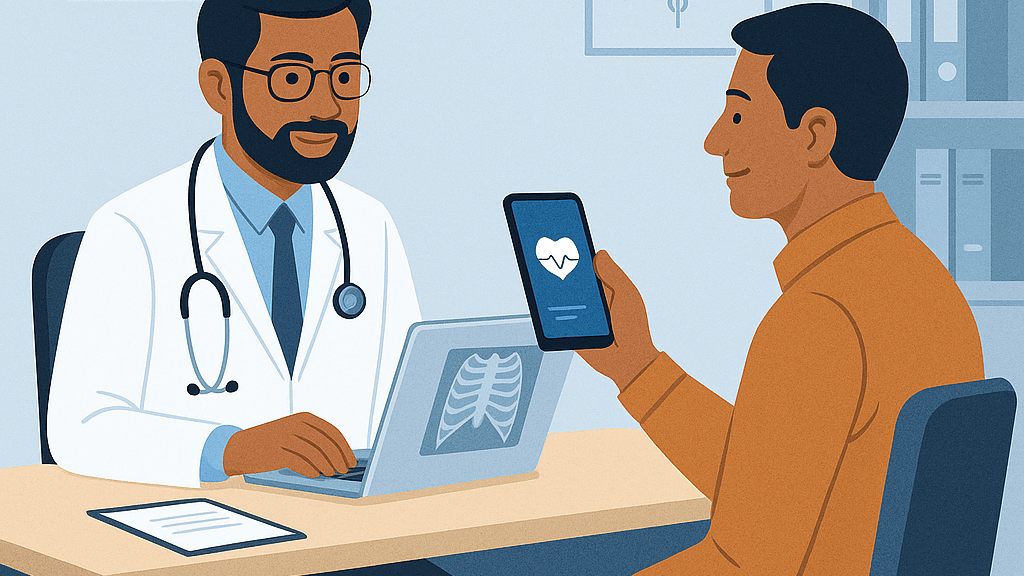
In the digital age, the doctor who uses technology will treat the patients of those who don't.
But it's more than that. Doctors who embrace technology—using smart tools for monitoring, diagnosis, and follow-up—are not only more effective, they are adored by patients. Why? Patients now prefer doctors who show them real-time results, track progress digitally, and offer smart, connected care. Digital health isn't optional—it's your biggest opportunity, because patients feel more involved, more informed, and more empowered when their doctor is using data, and digital platforms to deliver care.
My work across sectors confirms a clear trend: technology attracts consumers. Those who fail to embrace it inevitably lose their consumers to those who do—whether it's in retail with Amazon or engagement through social media, and same will happen in medicine.
The biggest shift is already underway: 'Technology Quotient' is becoming as important as Emotional Quotient (EQ) and Intelligence Quotient (IQ). Doctors who recognize this will become the most respected Key Opinion Leaders (KOLs) in modern medicine
Since the past few years, we have been getting doctors to come and speak at [www.globalsummit.health](https://www.globalsummit.health), on how Digital health won't replace doctors. But doctors who refuse to adopt it will lose relevance. The experience sharing of these doctors is an eye-opener for every clinician. This year we going a step further, if you are practicing medicine and do not know what to learn and where, by attending this 3-day summit, you will walk out as a trained technologist - you would update yourself on technology from the world's best on what is going on in your field of practice , which technologies you can use - you can check out at the expo, and also, get CPD Accredited training on Digital Health. You will be (Level -1 Certified for Artificial Intelligence).
You can develop own AI tools after attending this summit. These three days will be a life changing moment for you. Do bring your laptop to ensure you have learned through the sessions, and I bet you, each session is a workshop you will never forget. Also, this summit will give you an opportunity to meet with the world's best, and find ways to collaborate.
Machines have started learning, and that's why is it's important for us to move fast.
Dr. Rajendra Pratap Gupta, PhD
[https://www.globalsummit.health](https://www.globalsummit.health)
#DigitalHealthIndiA #SmartDoctorSmartCare #FutureOfHealthcare #HealthcareInnovation #DigitalDoctor #GlobalSummitHealth #TechInMedicine #DigitalTransformation #PatientCentricCare #DigitalHealthRevolution #IndianHealthcare #HealthTechIndia #DoctorsOfTomorrow #AIInHealthcare #MedicalTechnology #DigitalQuotient Indian Medical Association Indian Council of Medical Research (ICMR) Indian Association Of Palliative Care Royal College of Obstetricians and Gynaecologists | RCOG Royal Society of Medicine Indian Society of Critical Care Medicine National Registry of Emergency Medical Technicians National Health Authority (NHA) #Doctors #Indianhealthcare #abdm #ABHAID #electronichealthrecords
Share this article
Pass it along to a colleague in healthcare or digital health.
Related articles
Keep exploring insights from GDHS.
Oct 09, 2026 · 4 min read
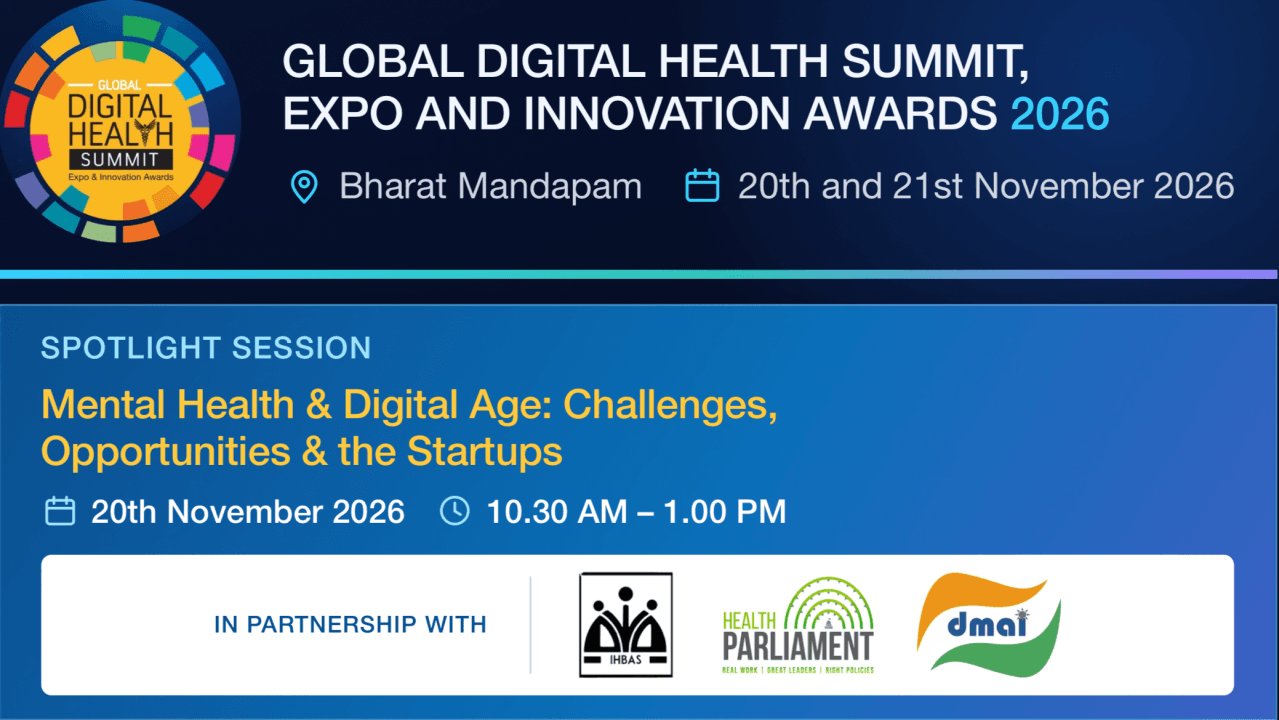
Are We Prepared for the Mental Health Emergency of the Digital Age? How can Start-ups help?
Why every healthcare CEO, pharmaceutical leader, policymaker, investor and technology innovator must rethink mental health before the digital revolution rewrites the human mind.
Oct 04, 2026 · 7 min read
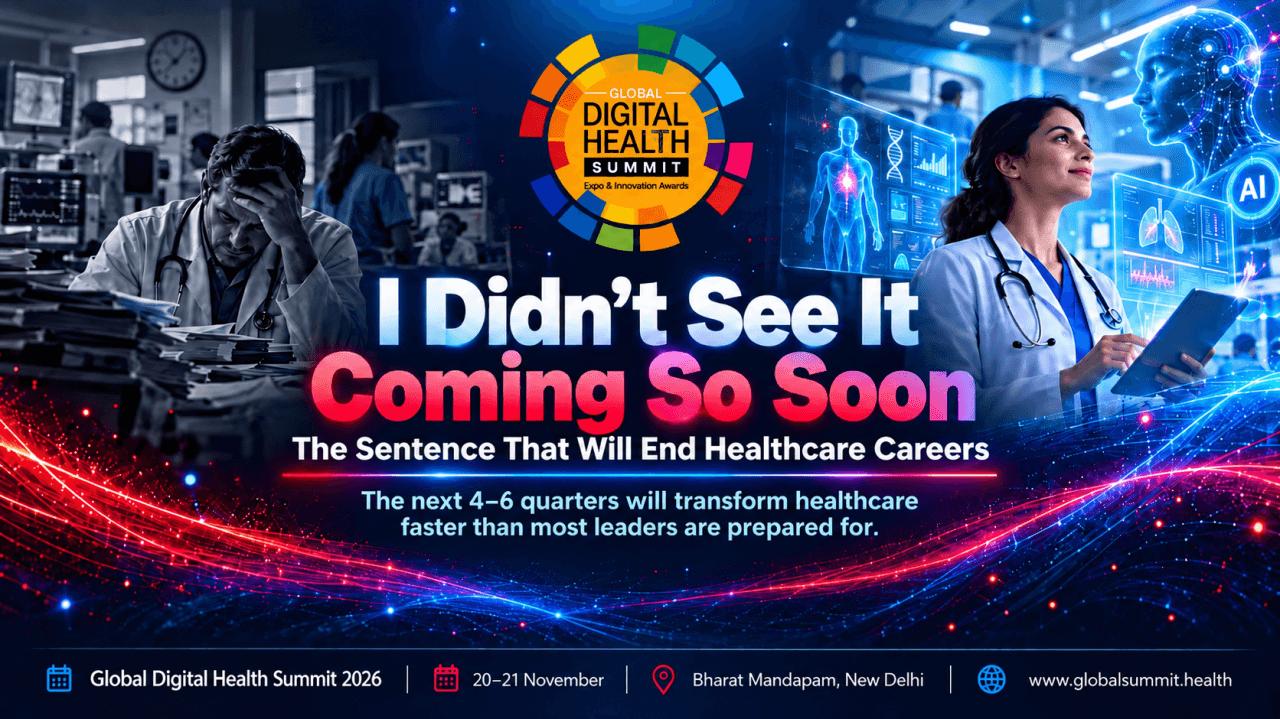
I Didn't See It Coming So Soon: The Sentence That Will End Many Healthcare Careers
Dr. Rajendra Pratap Gupta examines how rapidly advancing AI could reshape healthcare roles and why leaders need to move from discussion to implementation.
Oct 01, 2026 · 3 min read
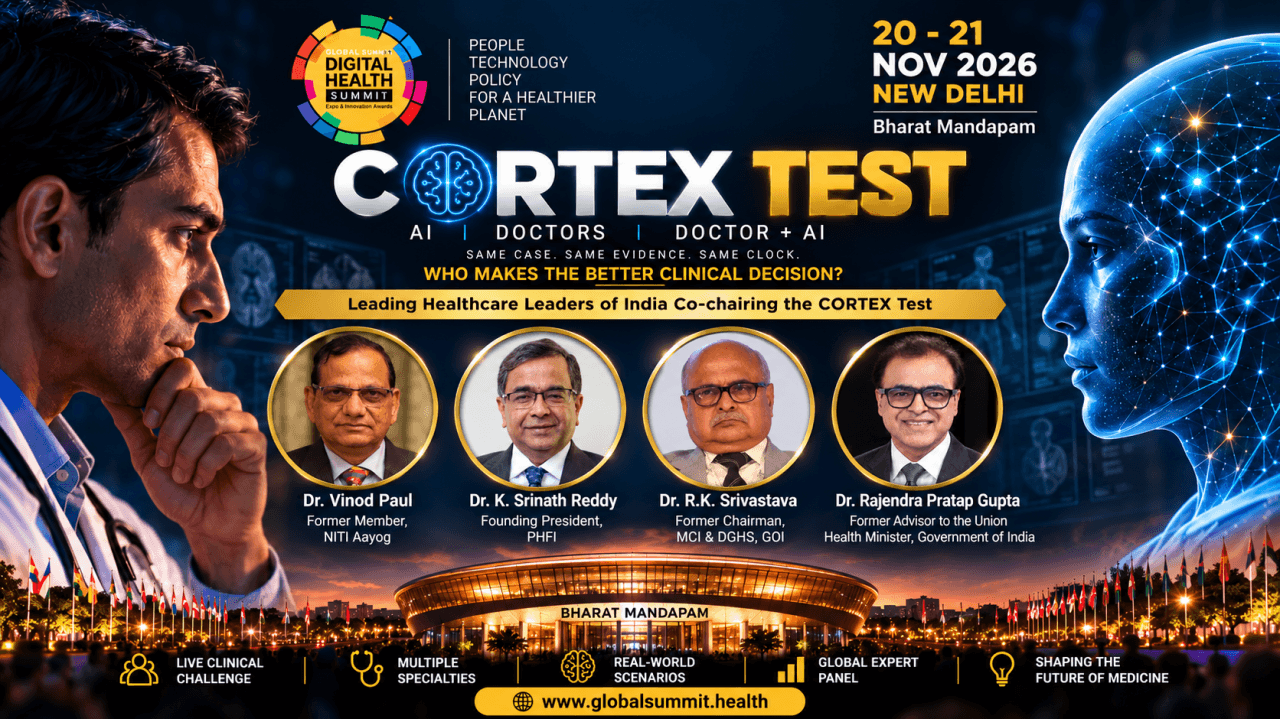
CORTEX TEST: The Day Medicine Puts AI on Trial
The CORTEX Test at GDHS 2026 compares AI, doctors and doctors using AI in a live clinical challenge across multiple specialties.
Sep 06, 2026 · 10 min read
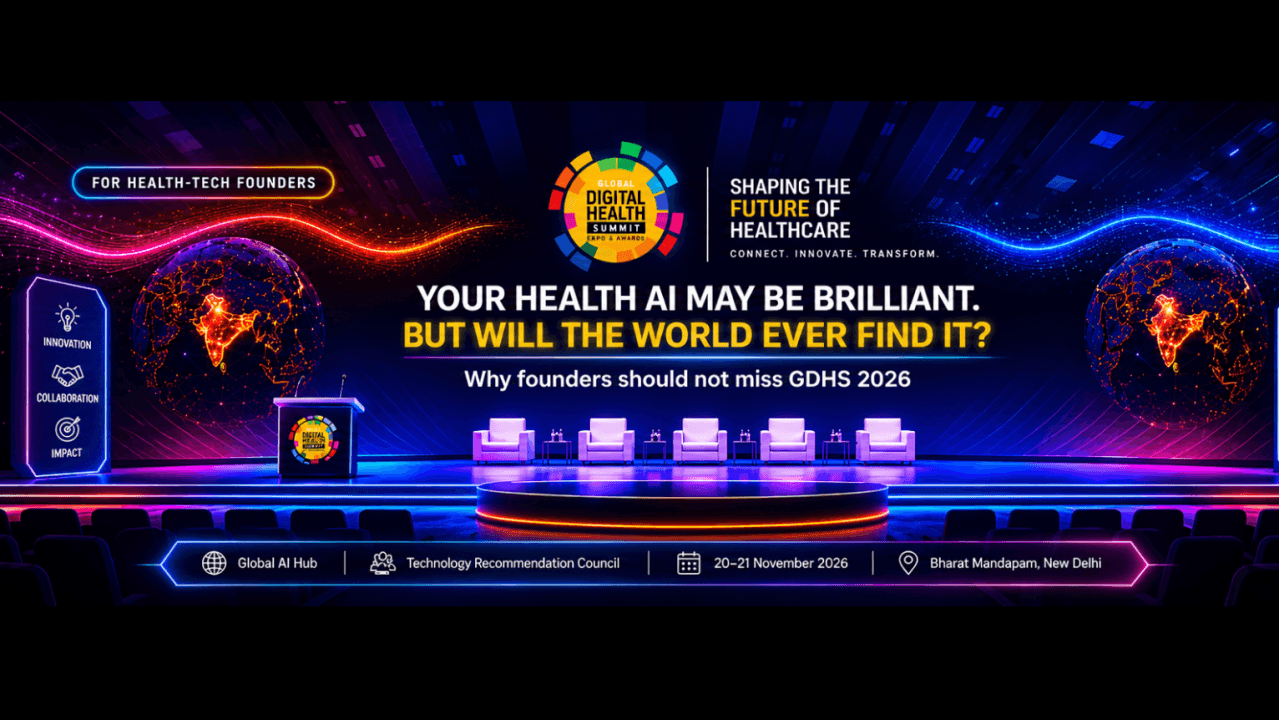
Your Health AI May Be Brilliant. But Will the World Ever Find It?
Discover how the Global AI Hub and Technology Recommendation Council connect health AI innovators with customers, clinical experts and global partners.