
Doctors' Day 2025: What Would Dr. Bidhan Chandra Roy Say Today?
July 1 marks Doctors' Day in India, a tribute to the visionary Dr. Bidhan Chandra Roy. If Dr. Roy were alive today, witnessing the rapid transformation of medicine through digital technologies, AI, robotics, and data-driven care, what message would he give his fellow doctors?
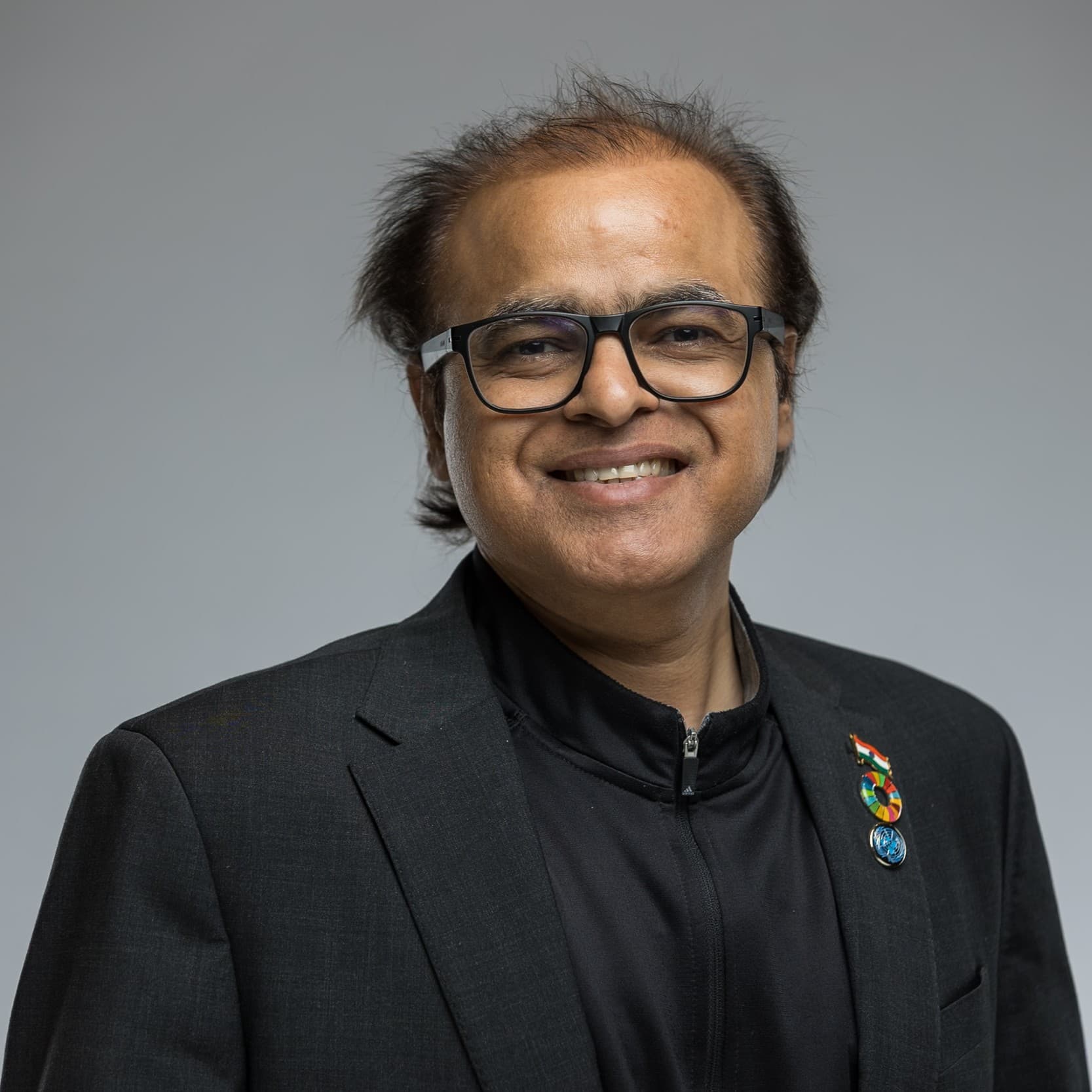
Dr. Rajendra Pratap Gupta
July 01, 20253 min read
July 1 marks Doctors' Day in India, a tribute to the visionary Dr. Bidhan Chandra Roy – a healer, institution builder, and leader who shaped modern Indian healthcare. Born on this day in 1882, Dr. Roy's contributions went far beyond his medical practice. He founded the Indian Medical Association, the Medical Council of India, and laid the foundation of public healthcare in Bengal. His life reminds us that being a doctor is not just about treating illness but building systems that keep society healthy.
If Dr. Roy were alive today, witnessing the rapid transformation of medicine through digital technologies, AI, robotics, and data-driven care, what message would he give his fellow doctors?
Perhaps he would say:
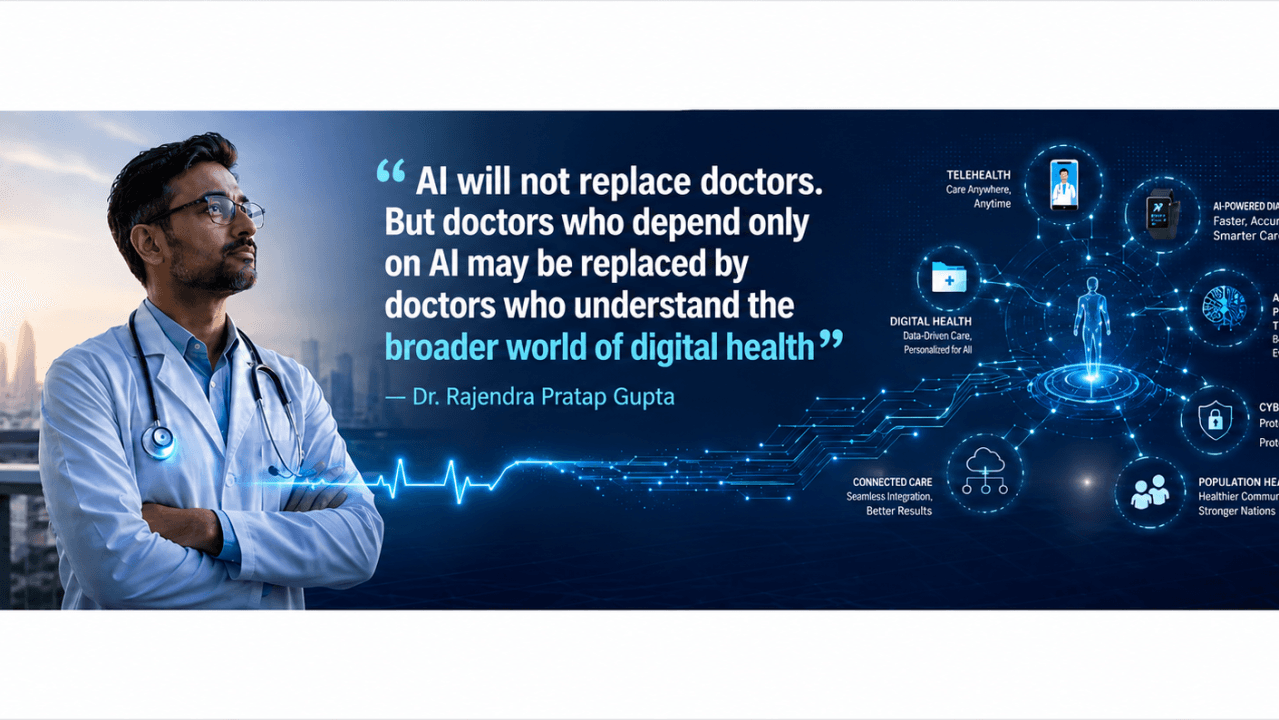
Medicine is no longer what it was when I practised. The stethoscope is no longer the first touchpoint; the smartphone is. Patients will not see a doctor first; they will speak with technology first. As doctors, you must remain the ultimate guardian of health, but the tools in your hands have changed.
We live in unconventional times, where consultations are shifting from hospital rooms to mobile screens. Diagnostics are being powered by algorithms. Surgery is being redefined by robotics and precision imaging. Chronic disease management is increasingly guided by DTx, mwearable data, and remote monitoring. This is not a distant future; it is happening right now in India as the Government of India has approved two digital therapeutics last year and more are coming.
Yet, when we look at how doctors are preparing for this change, many continue to follow the conventional path – attending speciality conferences, updating procedural skills, but often ignoring the digital revolution that is reshaping the very foundation of their profession.
The question every doctor must ask today is:
🩺 Am I prepared for a world where patients will embarrass me with their knowledge gained from the net before I even speak?
🩺 Do I understand how digital health will change my practice in the next few months?
🩺 Am I ready to lead this change rather than resist it?
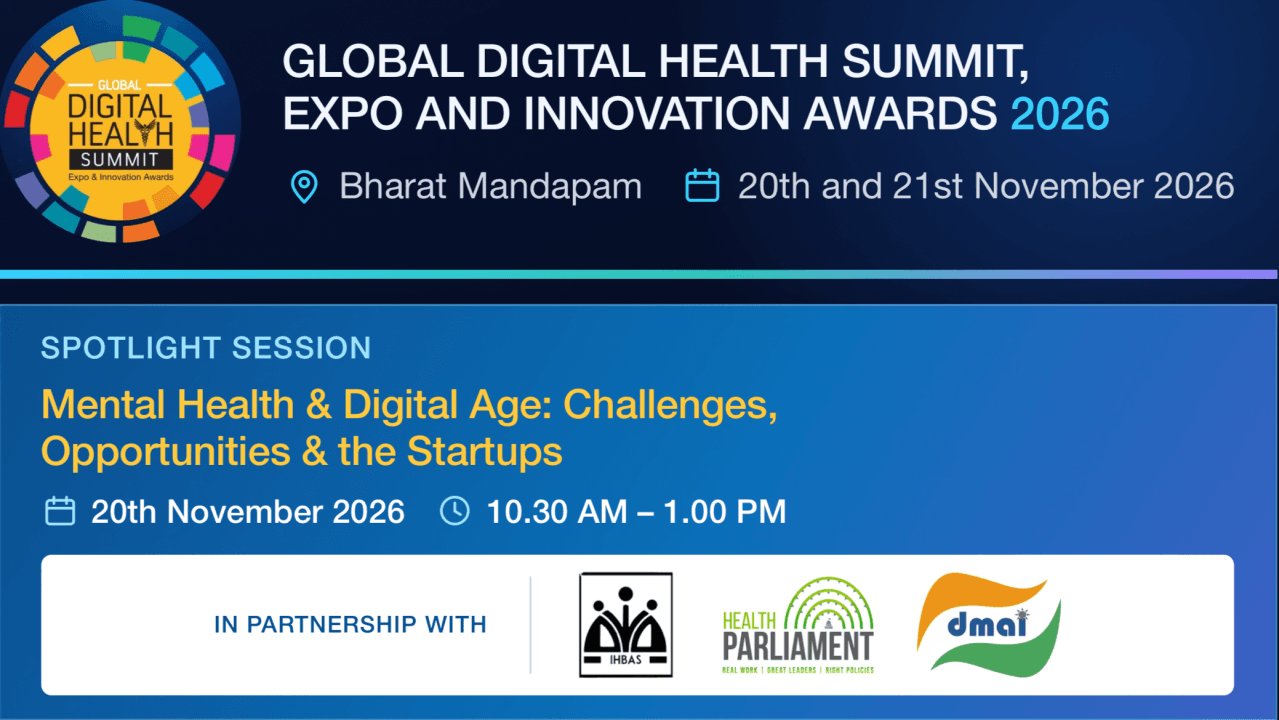
It is time to move beyond the comfort zone of speciality conferences and immerse oneself in the digital health ecosystem. Events like the Events like the Global Digital Health Summit in India in India bring together not just leading clinicians but also scientists, technologists, policymakers, and innovators who are redefining the practice of medicine in the digital age. Hear from the government, on how National Health Authority (NHA) is driving the biggest disruption in healthcare.
Equally important is formal learning. A digital health course is no longer a luxury; it is a necessity. Every doctor must equip themselves with at least elementary proficiency in digital health to remain relevant, impactful, and future-ready. The Academy of Digital Health Sciences offers structured courses offers structured courses designed specifically for clinicians to navigate this transformation confidently and handle the net-educated patients comfortably.
Dr. Roy dedicated his life to building institutions that outlived him. Today, each of us carries the responsibility to build a healthcare system that will outlive us – a system powered by technology, empathy, and continuous learning.
On this Doctors' Day, as we reflect on the theme "Behind the Mask: Who Heals the Healers?", let us commit to healing ourselves by embracing the knowledge and tools that will define the medicine of tomorrow.
Because the future is not waiting. And neither are our patients.
Happy Doctors' Day
Dr. Rajendra Pratap Gupta, PhD
Chairman
Academy of Digital Health Sciences offers structured courses
Global Digital Health Summit, Expo & Innovation Awards
#doctorsday #doctors #futureofmedicine #futureofsurgery #medicos #robotics #artificialintelligence #telemedicine #digitalhealth #emrs
Share this article
Pass it along to a colleague in healthcare or digital health.
Related articles
Keep exploring insights from GDHS.
Jul 01, 2026 · 5 min read
This Doctors’ Day, don’t just accept greetings. Take a vow to master digital health.
Dr. Rajendra Pratap Gupta calls on doctors to master digital health and prepare for the changing practice of medicine on Doctors’ Day 2026.
Oct 09, 2026 · 4 min read
Are We Prepared for the Mental Health Emergency of the Digital Age? How can Start-ups help?
Why every healthcare CEO, pharmaceutical leader, policymaker, investor and technology innovator must rethink mental health before the digital revolution rewrites the human mind.
Oct 04, 2026 · 7 min read
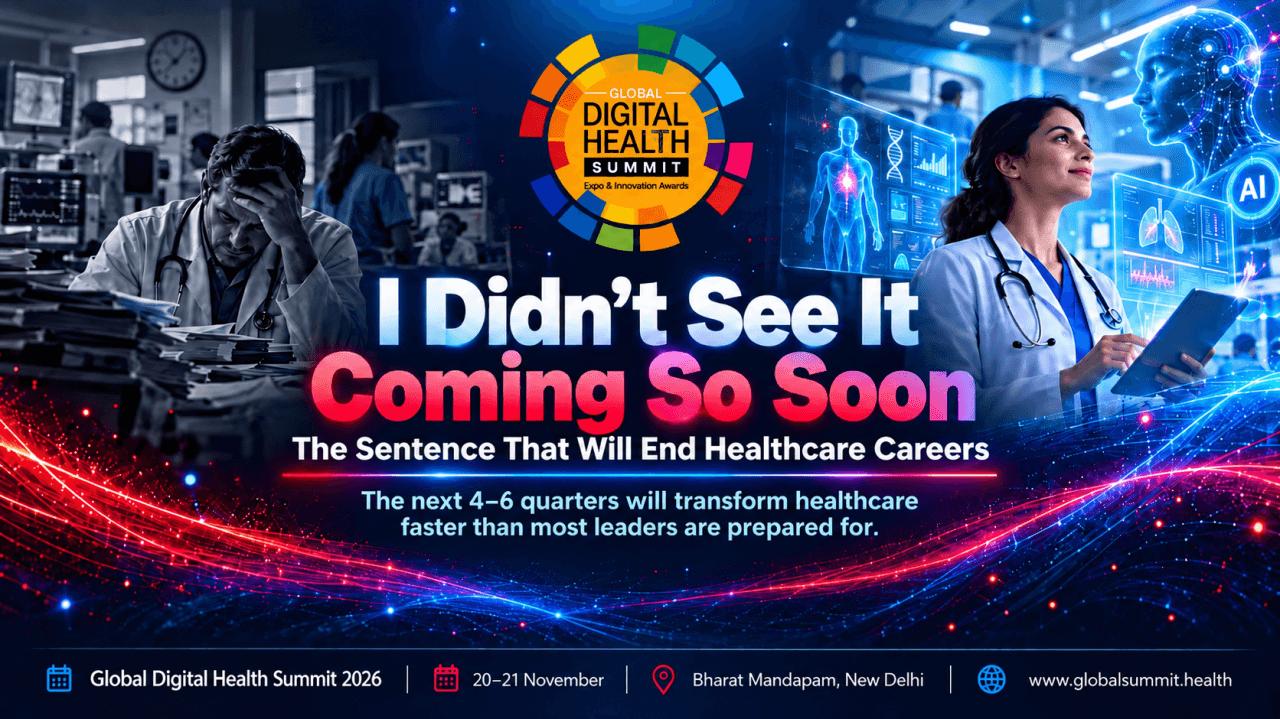
I Didn't See It Coming So Soon: The Sentence That Will End Many Healthcare Careers
Dr. Rajendra Pratap Gupta examines how rapidly advancing AI could reshape healthcare roles and why leaders need to move from discussion to implementation.
Oct 01, 2026 · 3 min read
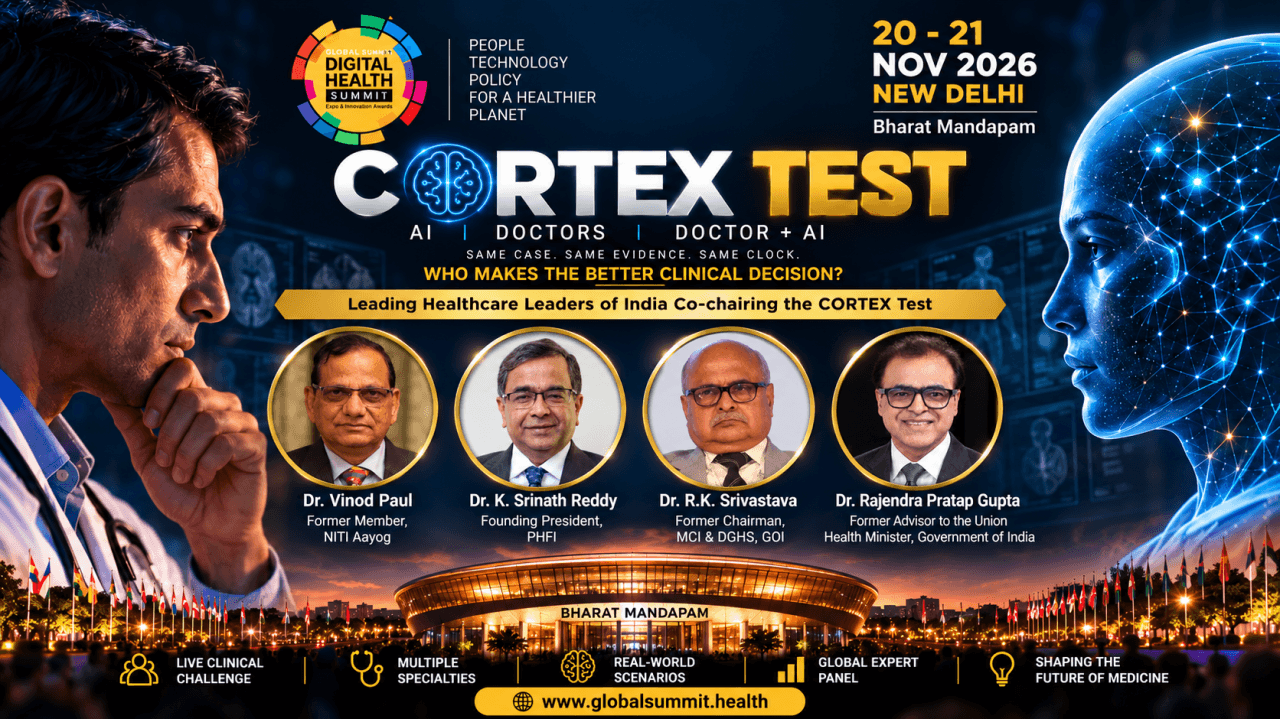
CORTEX TEST: The Day Medicine Puts AI on Trial
The CORTEX Test at GDHS 2026 compares AI, doctors and doctors using AI in a live clinical challenge across multiple specialties.