Are We Prepared for the Mental Health Emergency of the Digital Age? How can Start-ups help?
Why every healthcare CEO, pharmaceutical leader, policymaker, investor and technology innovator must rethink mental health before the digital revolution rewrites the human mind.

Dr. Rajendra Pratap Gupta
October 09, 20264 min read
GDHS 2026 | SPOTLIGHT SESSION | 20 NOVEMBER 2026
The Next Healthcare Crisis May Not Be Physical. Are We Prepared for the Mental Health Emergency of the Digital Age?
Why every healthcare CEO, pharmaceutical leader, policymaker, investor and technology innovator must rethink mental health before the digital revolution rewrites the human mind.
We Are Building an Intelligent World. But Are We Creating Healthier Minds?
We are entering an extraordinary era of artificial intelligence, unprecedented connectivity and technological advancement. Machines are becoming smarter, healthcare is becoming more digital, and information is becoming universally accessible. Yet an uncomfortable question confronts us: As technology becomes more intelligent, are human beings becoming mentally healthier, emotionally stronger and cognitively more capable?
We have never been more connected, yet loneliness is becoming a defining concern of modern society. We have never had greater access to information, yet questions about attention, cognitive dependence and psychological well-being are intensifying. Technology promises empowerment, but its consequences for human behaviour, relationships and mental resilience demand urgent examination. The next great healthcare challenge may not simply be treating diseases. It may be protecting the human mind in a world increasingly shaped by algorithms.
Mental Health Is No Longer a Psychiatry Issue. It Is a Healthcare Leadership Issue.
For decades, mental health has remained peripheral to mainstream healthcare strategy. That approach is increasingly untenable. Mental well-being influences chronic disease management, medication adherence, productivity, workforce performance, ageing and quality of life. For hospitals, insurers and healthcare systems, it is becoming central to clinical outcomes and sustainable healthcare delivery.
For pharmaceutical companies, the implications extend beyond traditional psychiatric medicines. Advances in neuroscience, digital therapeutics, personalised interventions and AI-enabled care could reshape diagnosis, treatment pathways, research priorities and patient engagement. Mental health is not merely another therapeutic category. It is emerging as a strategic priority for the entire healthcare ecosystem.
Social Media, AI and Cognitive Decline: Who Is Protecting the Human Mind?
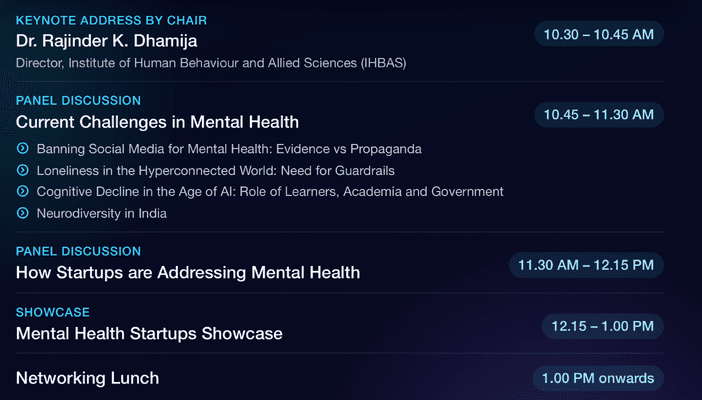
Should social media be restricted to protect mental health? Is the evidence sufficiently compelling, or is public policy racing ahead of science? What guardrails are needed to address loneliness in a hyperconnected society?
As AI increasingly assists with thinking, learning and decision-making, another fundamental question emerges: could excessive dependence on intelligent systems weaken certain human cognitive capabilities?
And are our educational institutions, governments and healthcare systems prepared to recognise and support neurodiversity?
These questions cannot be left to technology companies alone. They demand leadership from medicine, academia, government and industry.
The future of mental healthcare may be shaped by entrepreneurs developing new models for prevention, early identification, access, continuous support and personalised care.
For pharmaceutical companies, these startups represent potential opportunities for research collaboration and new care models. For hospitals and health systems, they offer possibilities for extending services beyond traditional clinical settings. For investors, they represent an emerging innovation frontier. But innovation must be accompanied by clinical validation, privacy, ethical governance and demonstrable patient benefit.
A Conversation Healthcare Leaders Cannot Afford to Miss
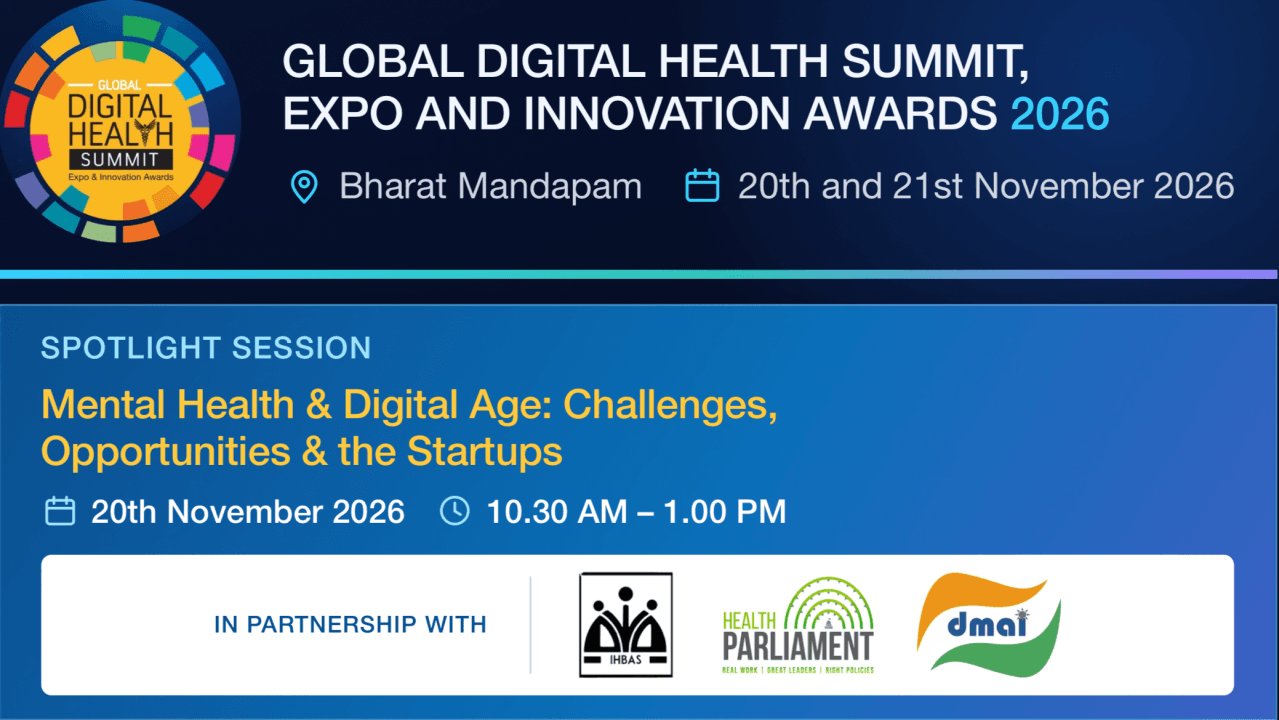
At the Global Digital Health Summit 2026, a dedicated spotlight session, “Mental Health & Digital Age: Challenges, Opportunities & the Startups,” will bring these critical issues into focus.
Chaired by Dr. Rajinder K. Dhamija, Director, Institute of Human Behaviour and Allied Sciences (IHBAS), the session will examine emerging mental health challenges, the impact of digital technologies and how startups are creating new possibilities. It will also feature a dedicated mental health startup showcase.
20 November 2026 | 10:30 AM–1:00 PM | Bharat Mandapam, New Delhi
If you lead a start-up, hospital, pharmaceutical company, healthcare institution, technology enterprise or investment organisation, this is not a discussion to delegate.
The digital age is reshaping the human mind. The question is whether healthcare leaders will shape that transformation or spend decades managing its consequences.
Join the conversation: www.globalsummit.health
See you
Dr. Rajendra Pratap Gupta, PhD
#GDHS2026 #MentalHealth #DigitalHealth #ArtificialIntelligence #HealthcareLeadership #PharmaInnovation #MentalHealthInnovation #HealthTech #FutureOfHealthcare
Share this article
Pass it along to a colleague in healthcare or digital health.
Related articles
Keep exploring insights from GDHS.
Oct 04, 2026 · 7 min read
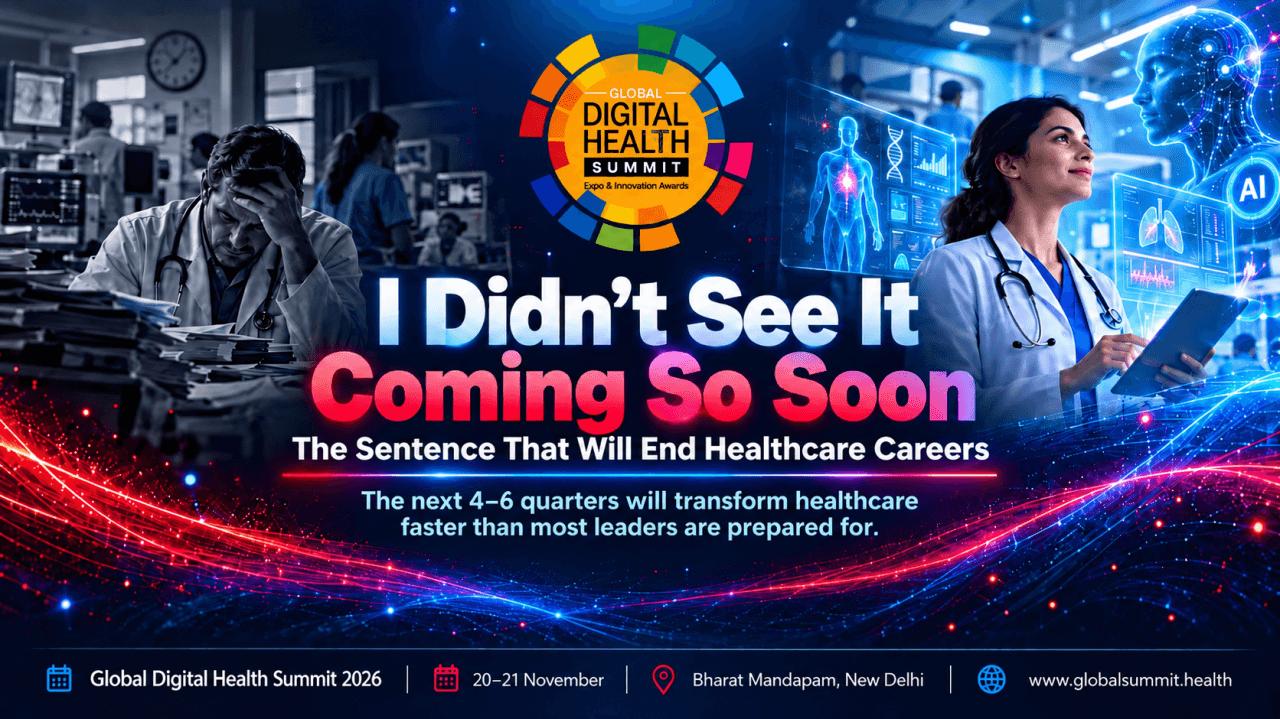
I Didn't See It Coming So Soon: The Sentence That Will End Many Healthcare Careers
Dr. Rajendra Pratap Gupta examines how rapidly advancing AI could reshape healthcare roles and why leaders need to move from discussion to implementation.
Oct 01, 2026 · 3 min read
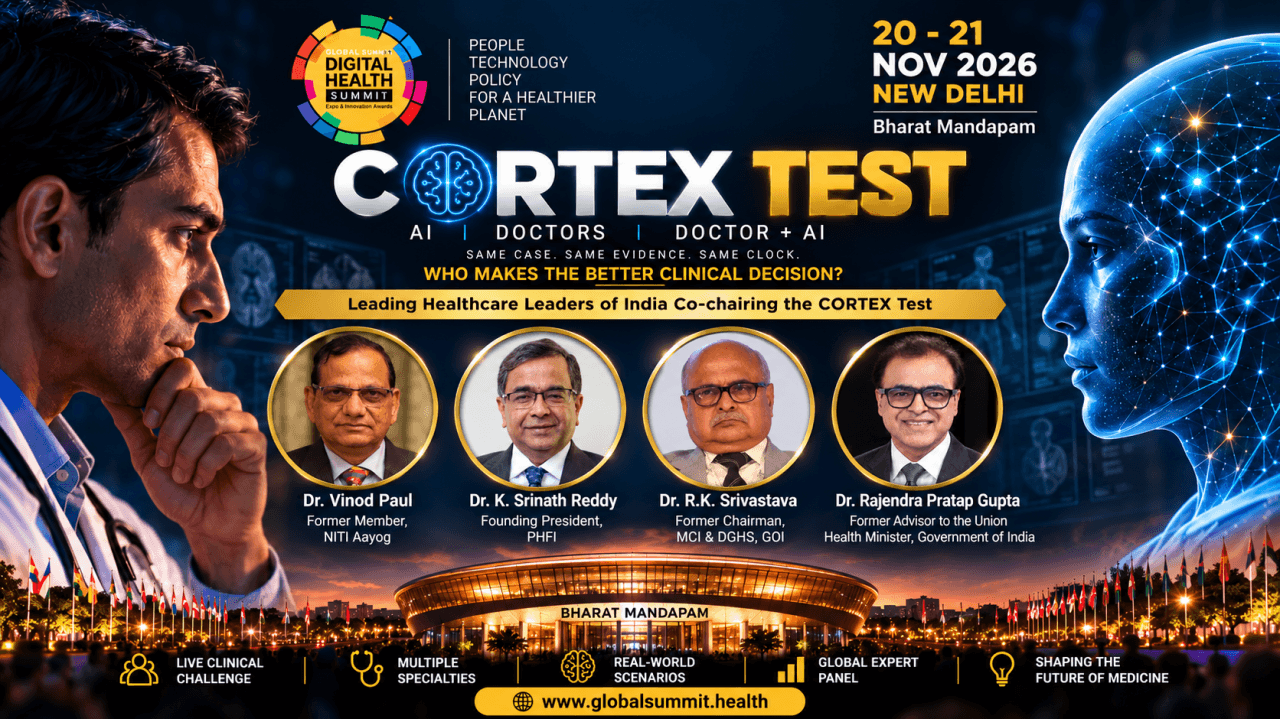
CORTEX TEST: The Day Medicine Puts AI on Trial
The CORTEX Test at GDHS 2026 compares AI, doctors and doctors using AI in a live clinical challenge across multiple specialties.
Sep 06, 2026 · 10 min read
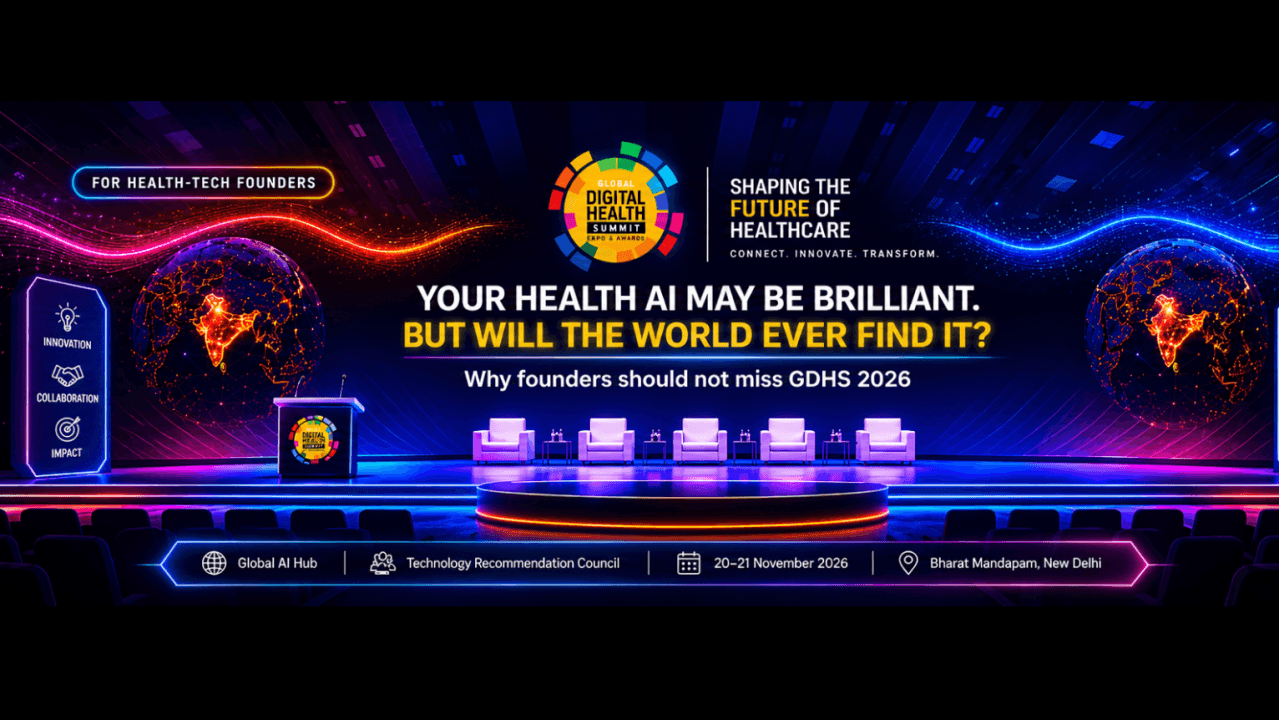
Your Health AI May Be Brilliant. But Will the World Ever Find It?
Discover how the Global AI Hub and Technology Recommendation Council connect health AI innovators with customers, clinical experts and global partners.
Aug 30, 2026 · 8 min read
5X Registrations this year: This is the biggest summit focussed on ‘Implementing AI in Healthcare’
Why GDHS 2026 registrations are growing fivefold as healthcare leaders prepare to adopt AI through practical demonstrations and global expertise.