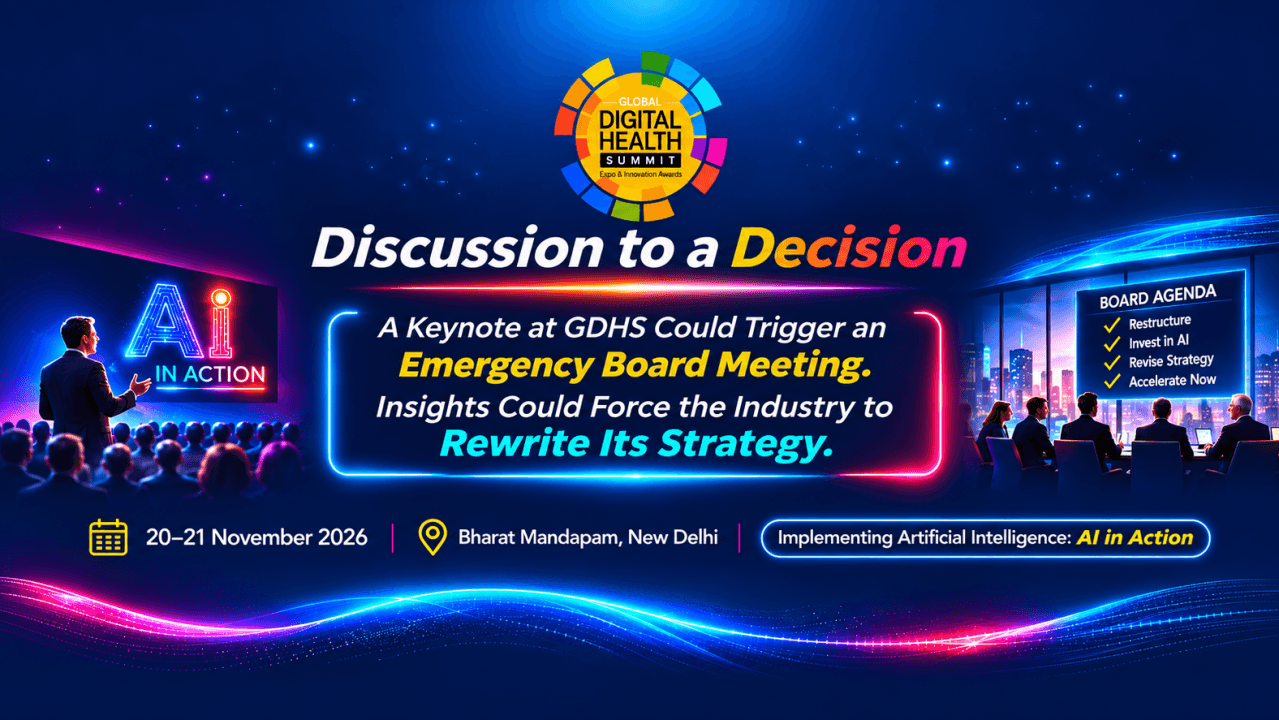
Discussion to a Decision - A Keynote at GDHS Could Trigger an Emergency Board Meeting
Insights that would force the industry to rewrite its strategy — why GDHS 2026 keynotes are designed to challenge hospital, pharma, MedTech and investor agendas.
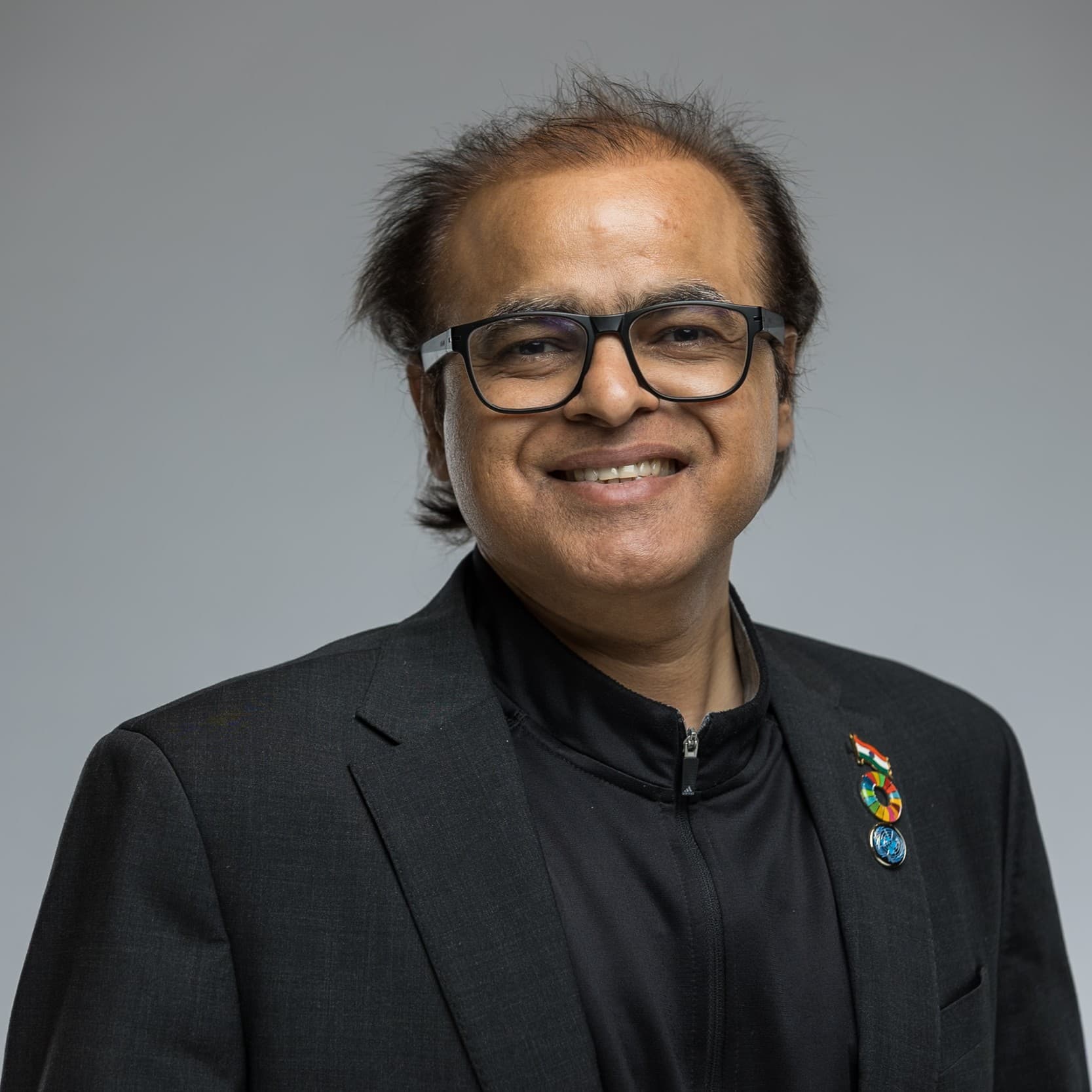
Dr. Rajendra Pratap Gupta
November 01, 20265 min read
This is not another healthcare summit. It is where existing business models will be challenged, investment priorities questioned and strategies for the AI decade rewritten. Two days that could fundamentally change how you run your hospital, lead your company, invest your capital and serve your patients.
Healthcare is entering what I call the Golden Age of Medicine. Investors are committing billions to healthcare innovation, artificial intelligence is transforming clinical and business operations, and patients are demanding faster, affordable and personalised care. Yet most healthcare organizations continue to operate on traditional business models and are still in a wait and watch mode. The biggest opportunity is no longer simply building more hospitals, adding beds or acquiring equipment. It is delivering better outcomes, higher patient satisfaction and stronger financial returns without proportionately increasing costs.
This is the proposition behind the Global Digital Health Summit (GDHS 2026), being held on 20–21 November at Bharat Mandapam, New Delhi, under the theme Implementing Artificial Intelligence: AI in Action.
Keynotes That Could Rewrite Your Boardroom Agenda
We have designed this year’s Summit with an extraordinary ambition: every keynote should be powerful enough to make industry leaders question their existing strategies and consider calling an urgent board meeting. Not because of sensational predictions, but because of compelling evidence, disruptive business models and technologies capable of fundamentally changing healthcare economics.
Imagine returning from a keynote and telling your board that your five-year hospital expansion strategy needs reconsideration, your pharmaceutical R&D model faces disruption, or your MedTech business must move beyond hardware towards intelligent, connected services. That is the level of strategic provocation we intend to deliver. GDHS 2026 is not designed to validate your strategy. It is designed to challenge whether that strategy will remain relevant.
The Investment Case: Better Returns from Healthcare
The financial implications of AI are becoming impossible to ignore. A September 2026 Bessemer Venture Partners study involving 226 healthcare executives reported realized returns of 4.0 times investment in provider revenue-cycle AI applications, 3.1 times in front-office operations and 3.4 times in pharmaceutical preclinical discovery. Although these findings are survey-based and not guaranteed returns, they illustrate the opportunity for early adopters.
At GDHS, hospital owners, investors and CFOs can explore how AI could improve revenue, operating margins, asset utilisation and capital productivity while enabling new business models in preventive care, remote monitoring and digital therapeutics. The hospital of tomorrow may not be the one with the most beds, but the one delivering the greatest value from every rupee and dollar invested.
Patient Satisfaction: The Ultimate Competitive Advantage
Patients care less about sophisticated technology than about shorter waiting times, accurate diagnoses, affordable treatment, compassionate interactions and reliable follow-up. AI-enabled scheduling, clinical documentation, predictive monitoring and personalised care can help improve these experiences while reducing operational inefficiencies. For healthcare providers, the potential benefits include stronger patient trust, retention, referrals and long-term enterprise value. At GDHS, delegates will discover how better patient experiences and stronger financial performance can become complementary business objectives.
Experience AI as the Future Before Investing in It
Our immersive Hospital of the Future and Clinic of the Future will allow delegates to explore AI-enabled workflows, intelligent operations, connected care and emerging clinical models. Pharmaceutical leaders can discover how AI is reshaping drug development, while MedTech executives can explore intelligent devices and software-driven opportunities. These experiences are intended to help delegates identify technologies worth adopting, understand implementation requirements and meet potential partners.
The Technology Recommendation Council will help bring informed evaluation to promising innovations, while the Health AI Collaboration Hub will connect healthcare institutions, innovators, investors and policymakers. Selected hospital leaders may also have opportunities to participate in the CEOs’ Council for the Hospital of the Future.
Two Days. Tangible Opportunities. Decisions That Could Shape a Decade.
We have committed approximately US$1.5 million to creating this experience. Our objective is that hospital CEOs leave with ideas to improve profitability, investors discover emerging opportunities, clinicians identify tools to improve care, pharmaceutical and MedTech executives find new growth pathways, and young professionals understand the skills they need for the future.
Our previous editions have sold out, and 97.6% of attendees, according to our feedback, rated the Summit outstanding. This year, we want delegates to leave not merely with notes, but with decisions to make, partnerships to pursue and strategies to reconsider.
Two days away from your business have a cost. But what could it cost to discover in 2027 that your competitors rewrote their strategies in 2026 while you continued executing yesterday’s plan?
I invite you to GDHS 2026. Come prepared to question your assumptions, discover new possibilities and perhaps return with the most important agenda item for your next board meeting.
The future will reward those who act before disruption renders their strategies obsolete. GDHS 2026 will equip you with the foresight, insights, and actionable strategies to stay ahead of disruption and lead with confidence in the age of AI.
20–21 November 2026 | Bharat Mandapam, New Delhi
Register: www.globalsummit.health
Share this article
Pass it along to a colleague in healthcare or digital health.
Related articles
Keep exploring insights from GDHS.
Oct 20, 2026 · 5 min read
Where the Future Arrives First: Why GDHS Attracts the World's Most Unconventional Healthcare Leaders
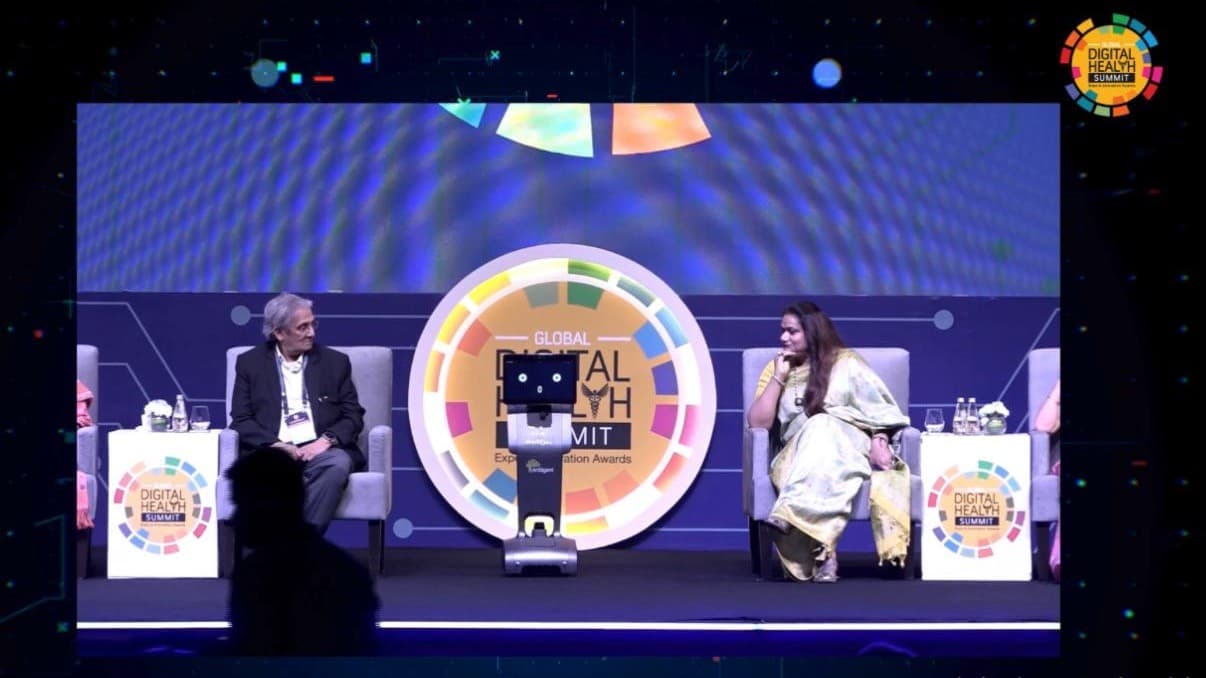
From a robot panelist to Hospital of the Future and a 9.7/10 track record — why GDHS draws leaders who challenge the status quo, and why 2026 is its boldest edition yet.
Oct 09, 2026 · 4 min read
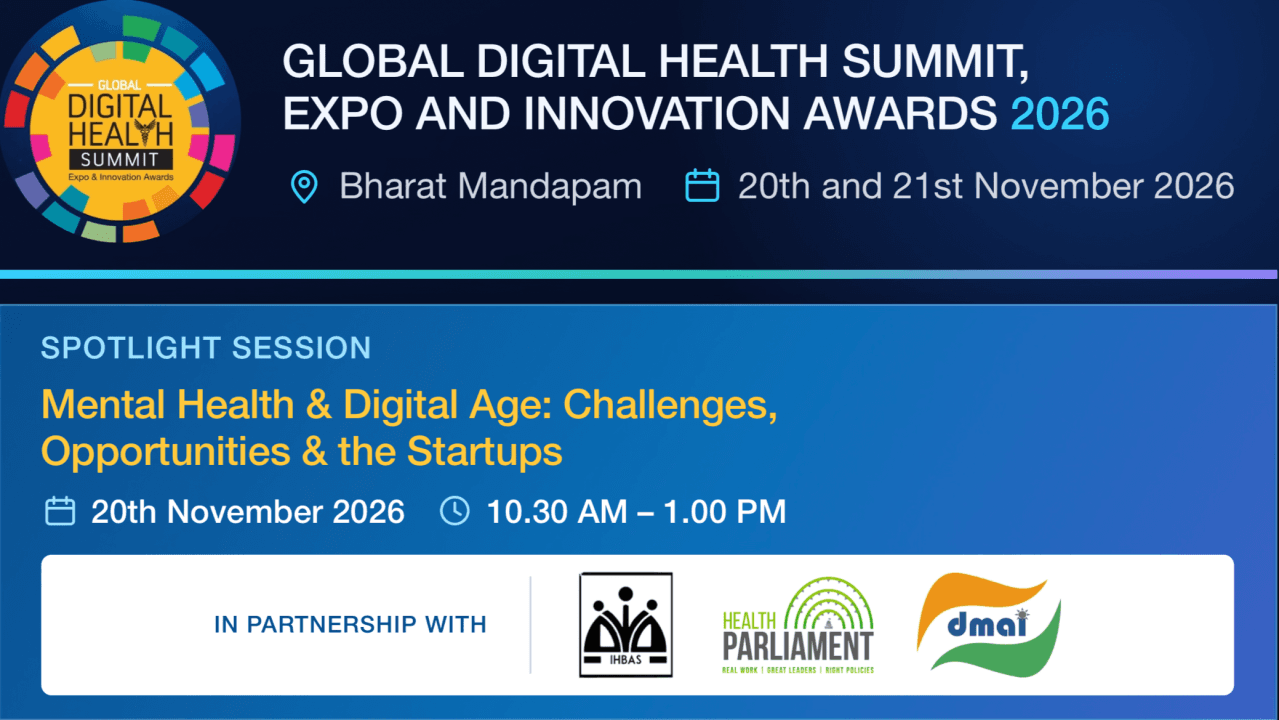
Are We Prepared for the Mental Health Emergency of the Digital Age? How can Start-ups help?
Why every healthcare CEO, pharmaceutical leader, policymaker, investor and technology innovator must rethink mental health before the digital revolution rewrites the human mind.
Oct 04, 2026 · 7 min read
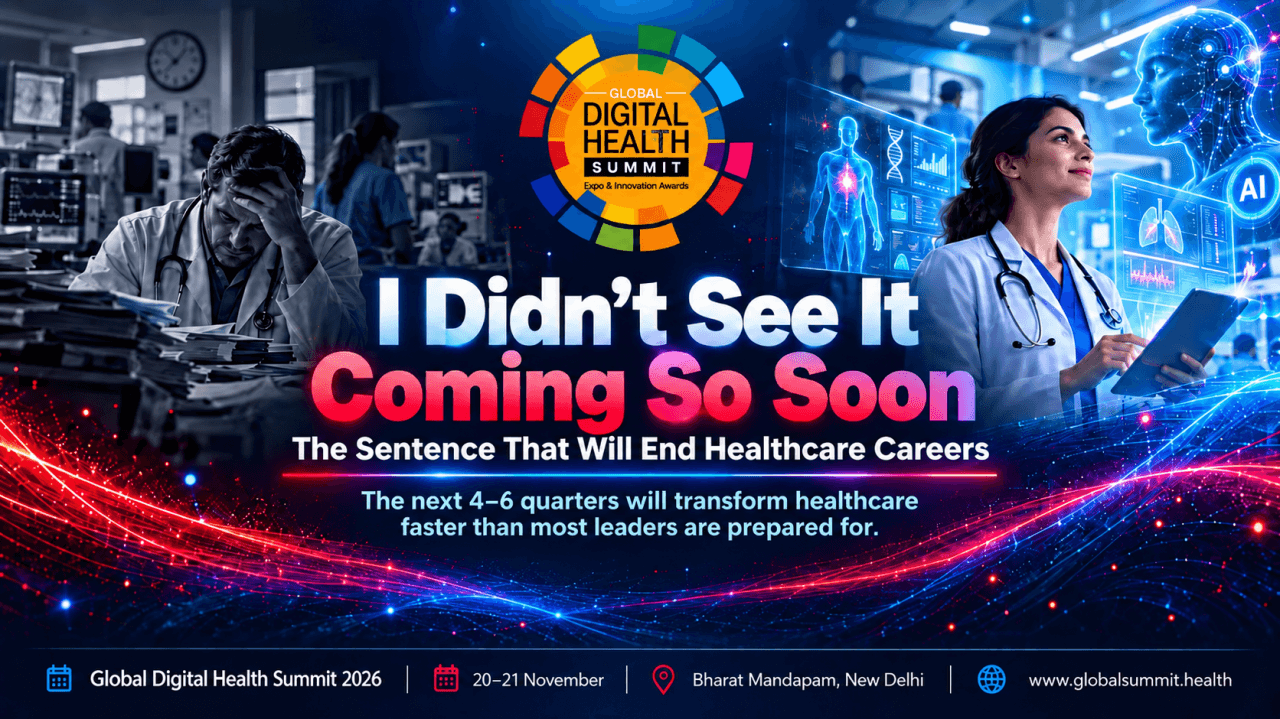
I Didn't See It Coming So Soon: The Sentence That Will End Many Healthcare Careers
Dr. Rajendra Pratap Gupta examines how rapidly advancing AI could reshape healthcare roles and why leaders need to move from discussion to implementation.
Oct 01, 2026 · 3 min read
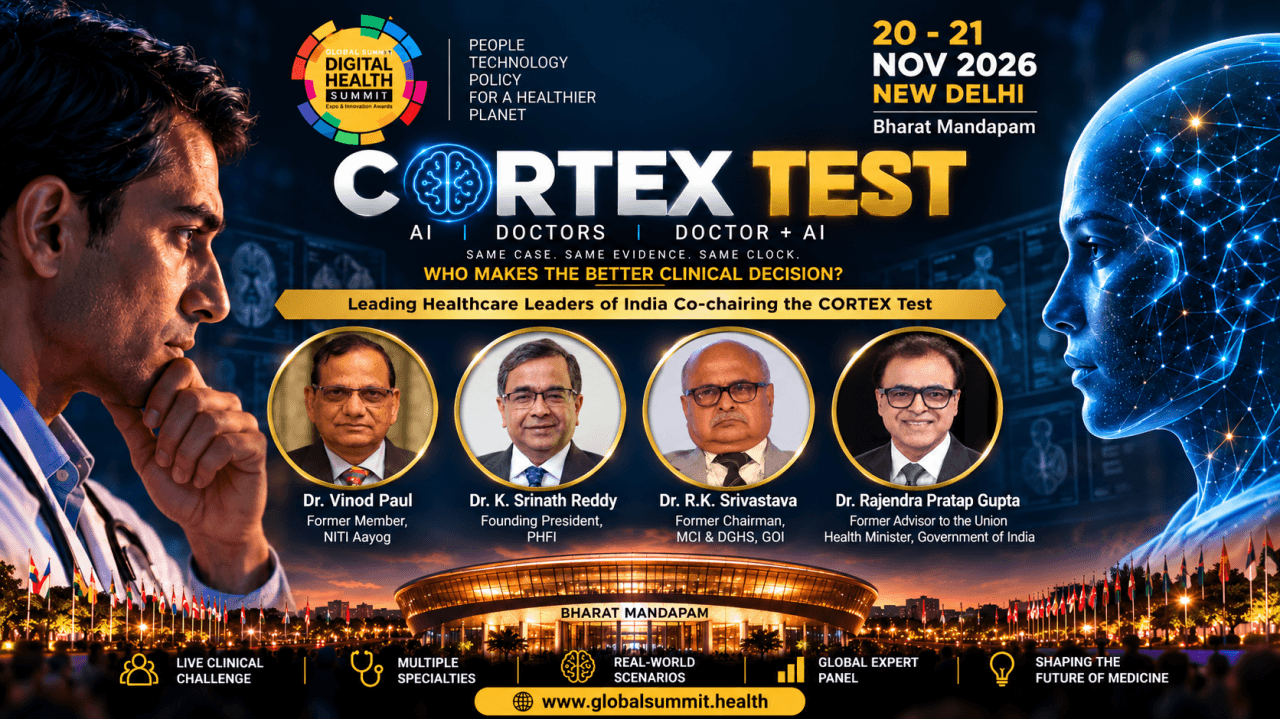
CORTEX TEST: The Day Medicine Puts AI on Trial
The CORTEX Test at GDHS 2026 compares AI, doctors and doctors using AI in a live clinical challenge across multiple specialties.